Architectural photography from our multimedia studios in Jackson Hole, Wy
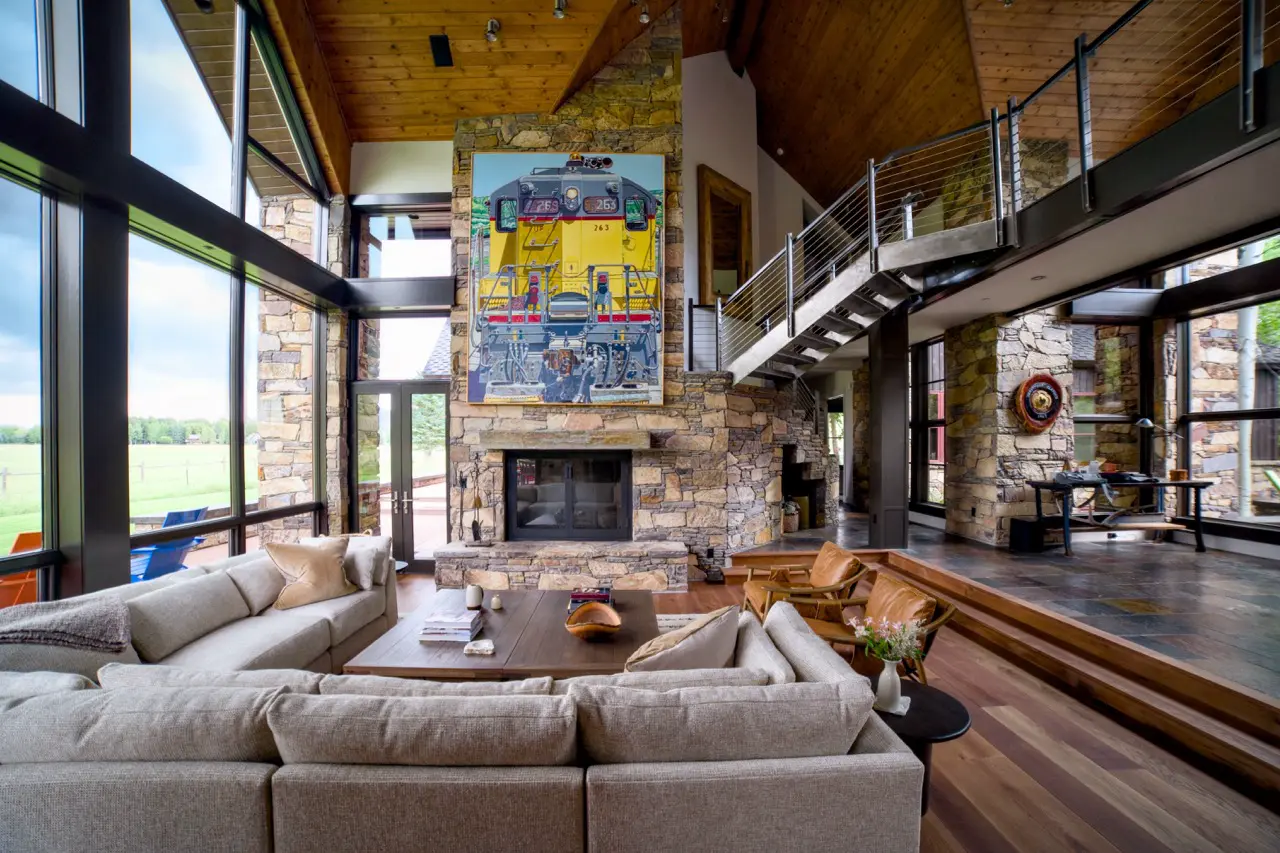
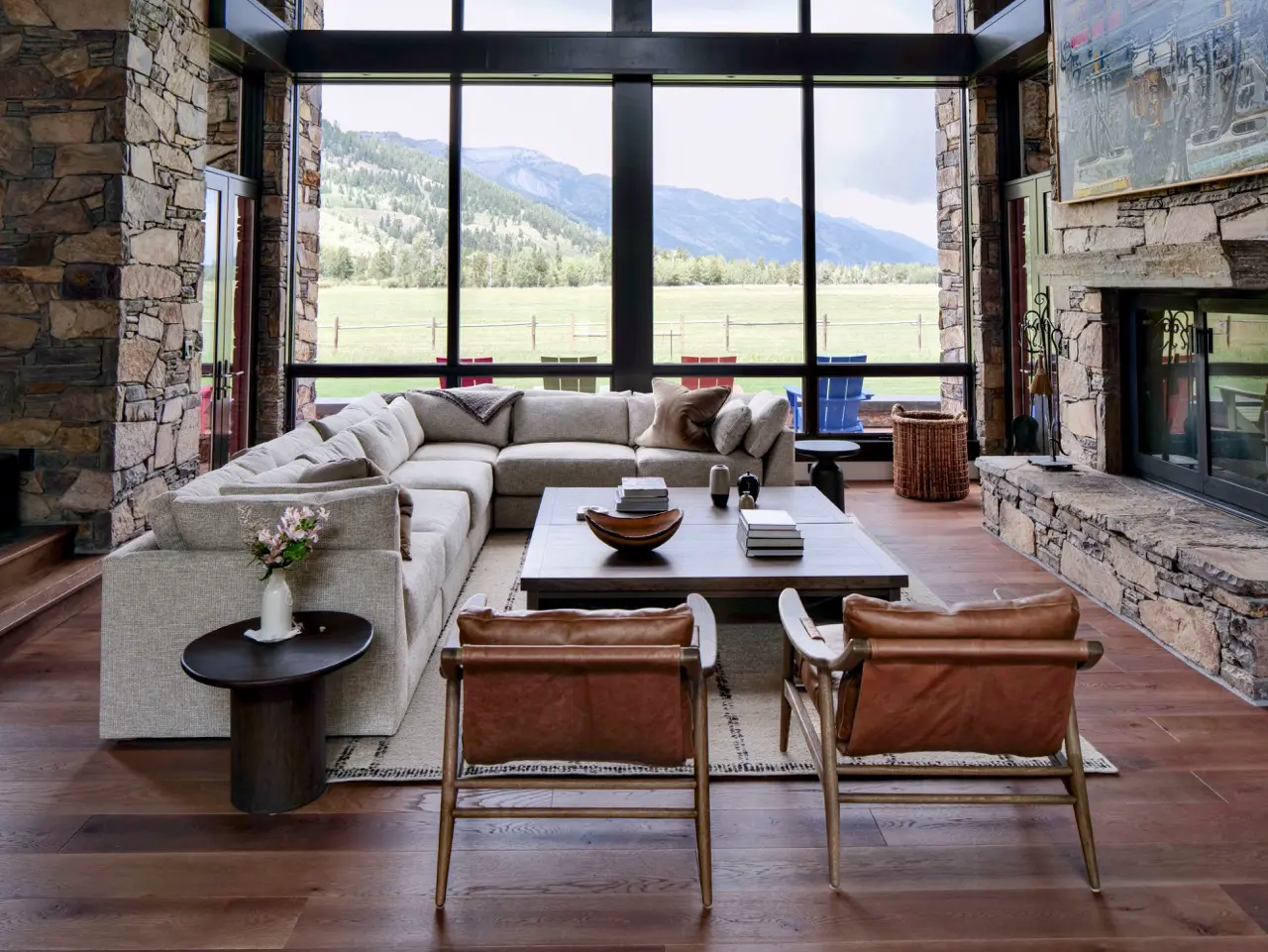
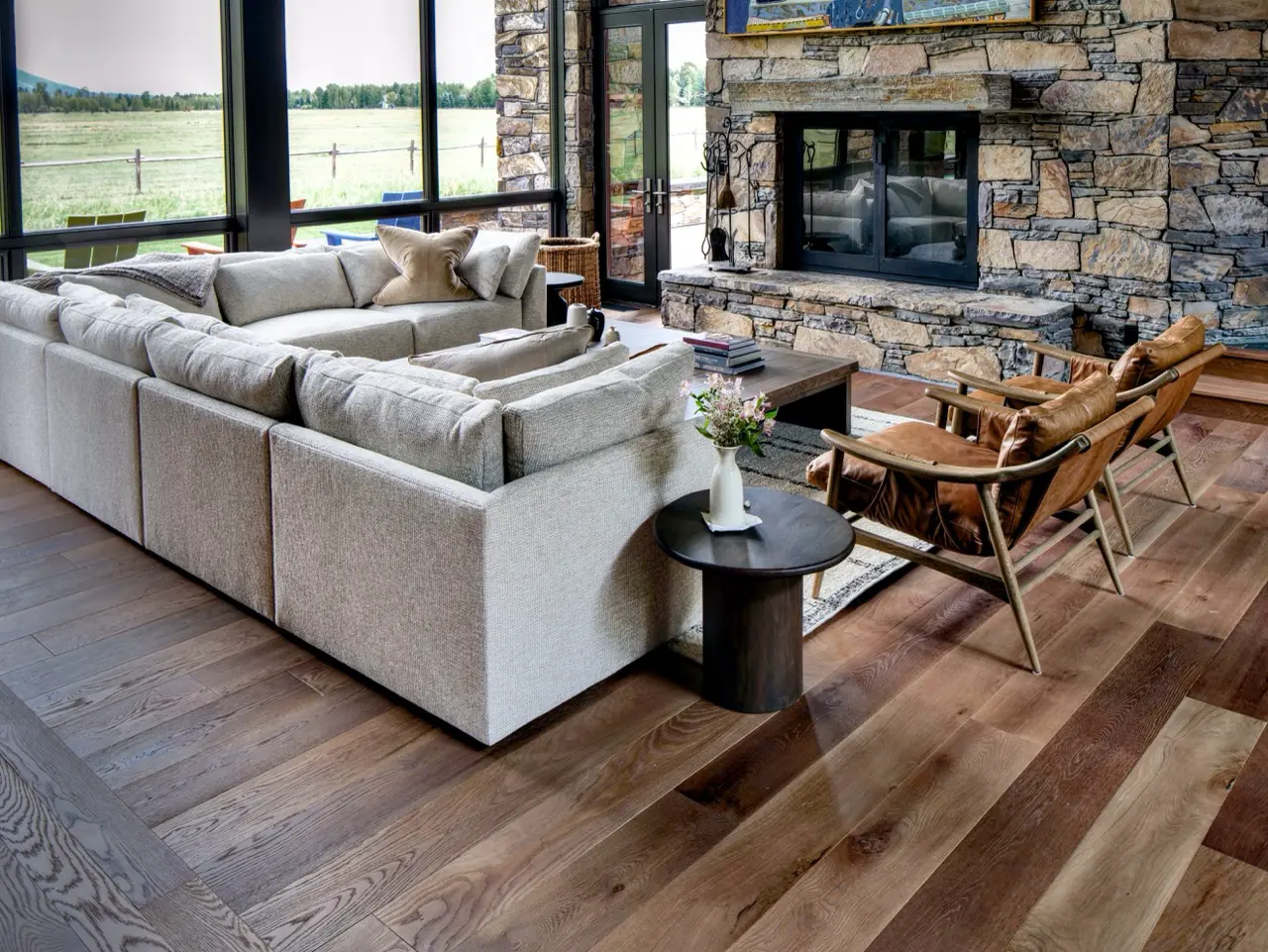
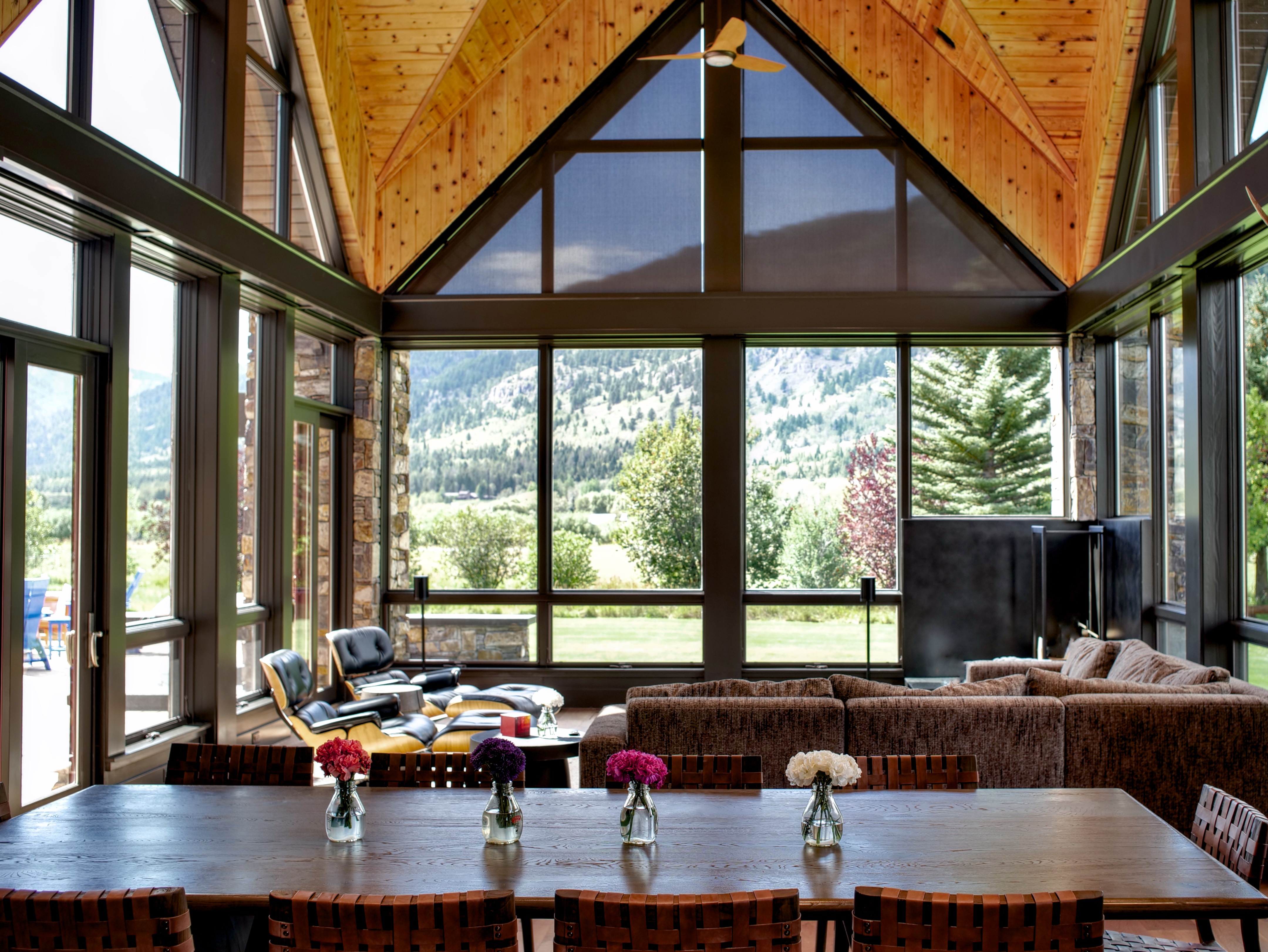
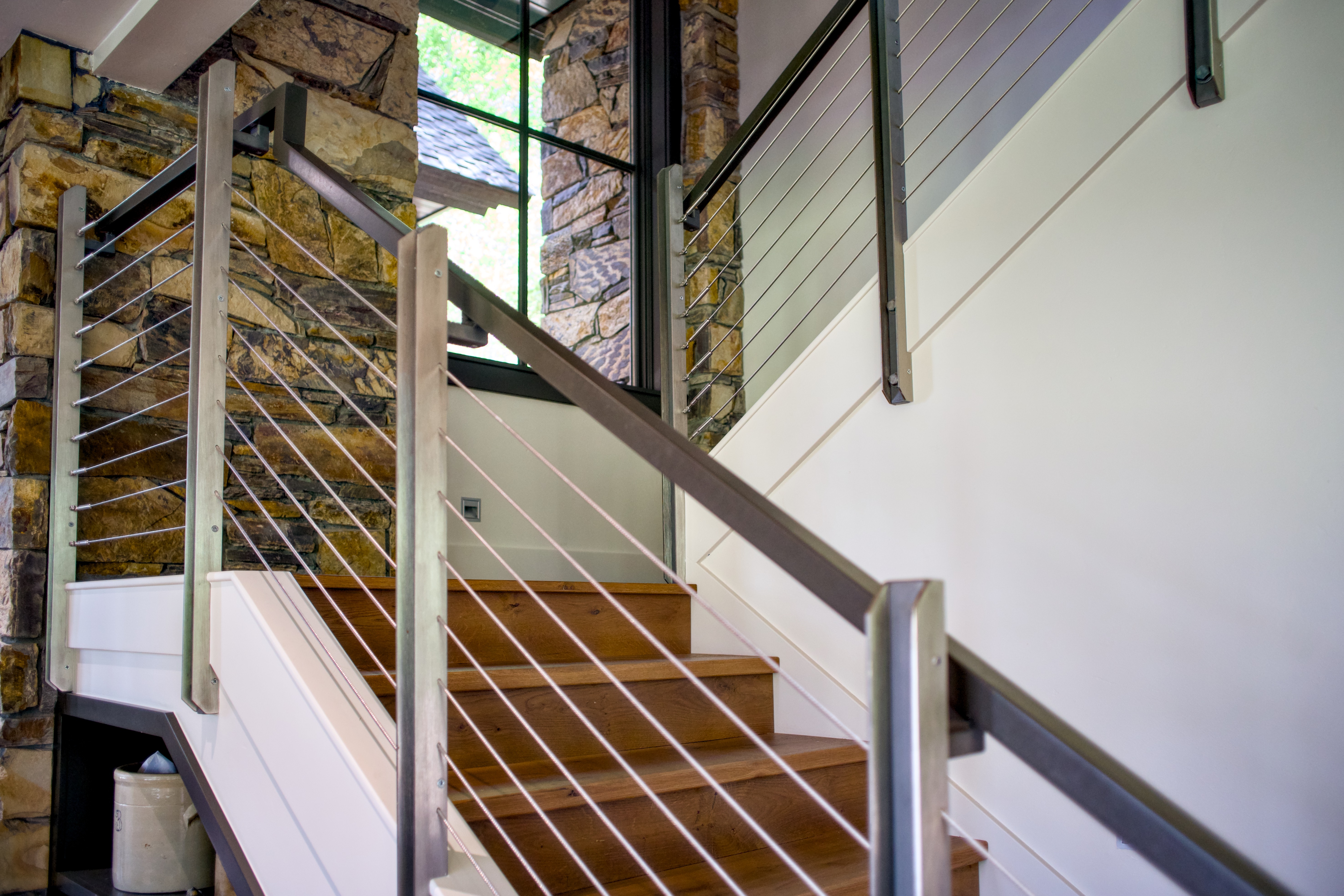
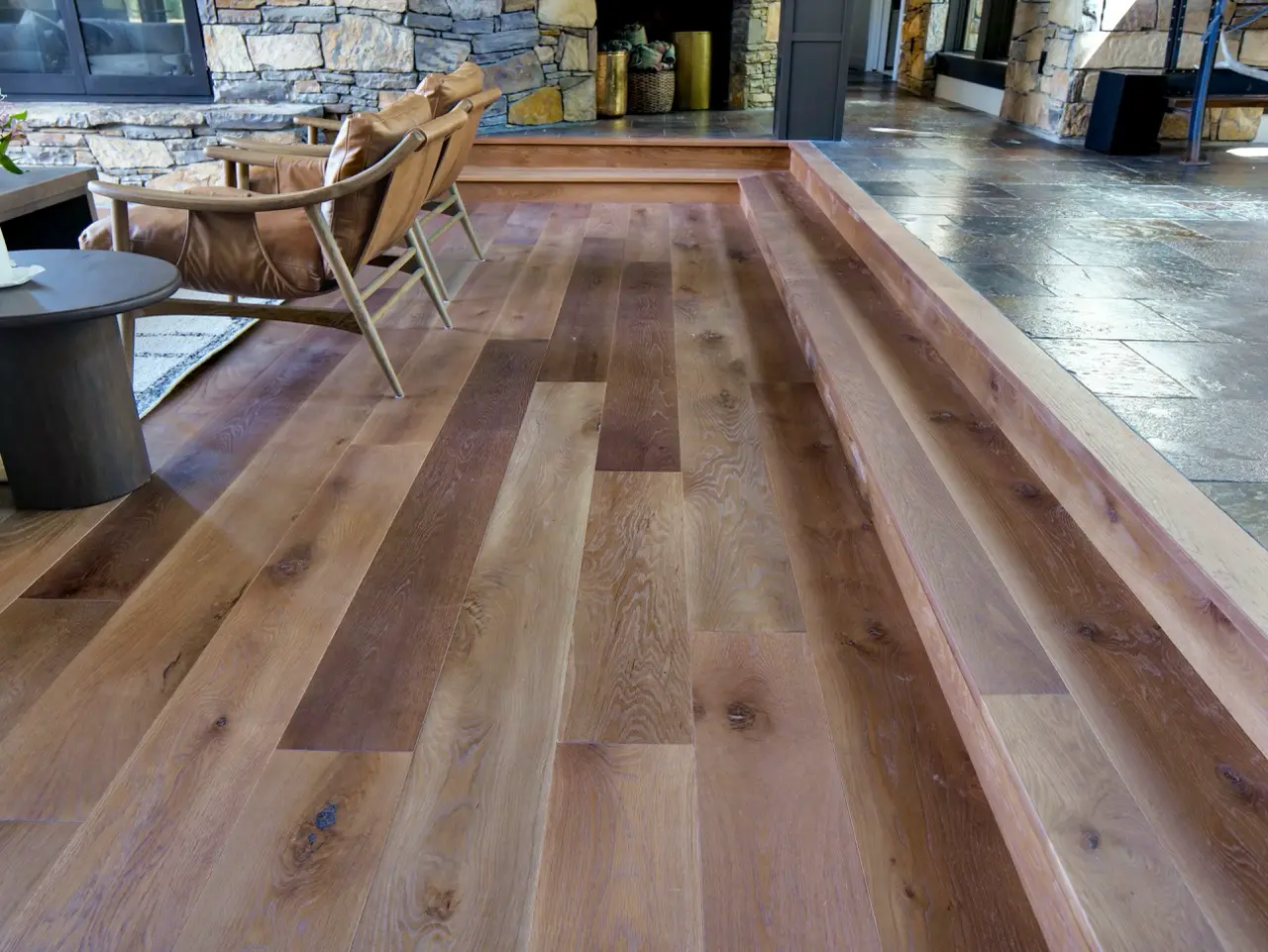
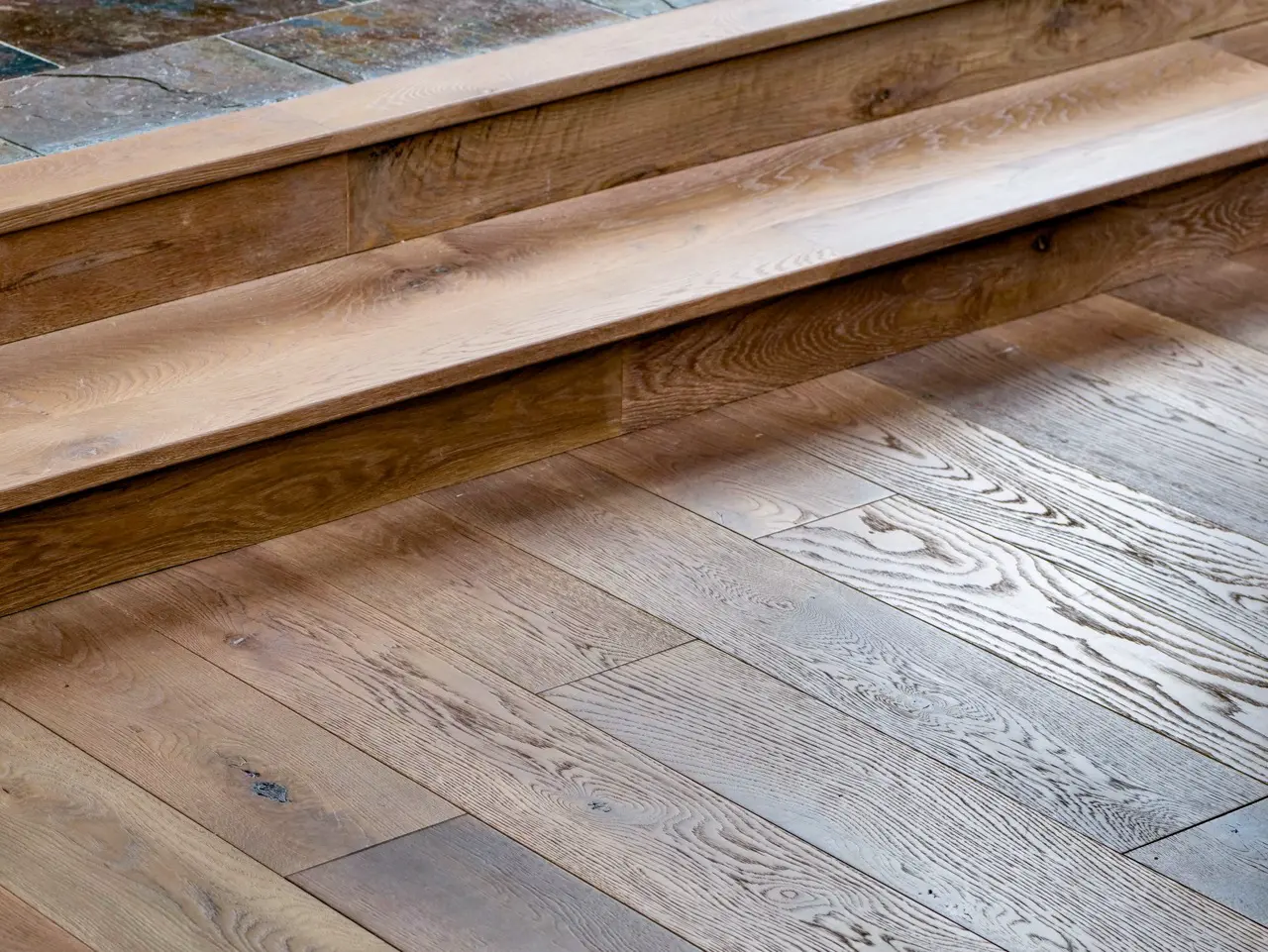
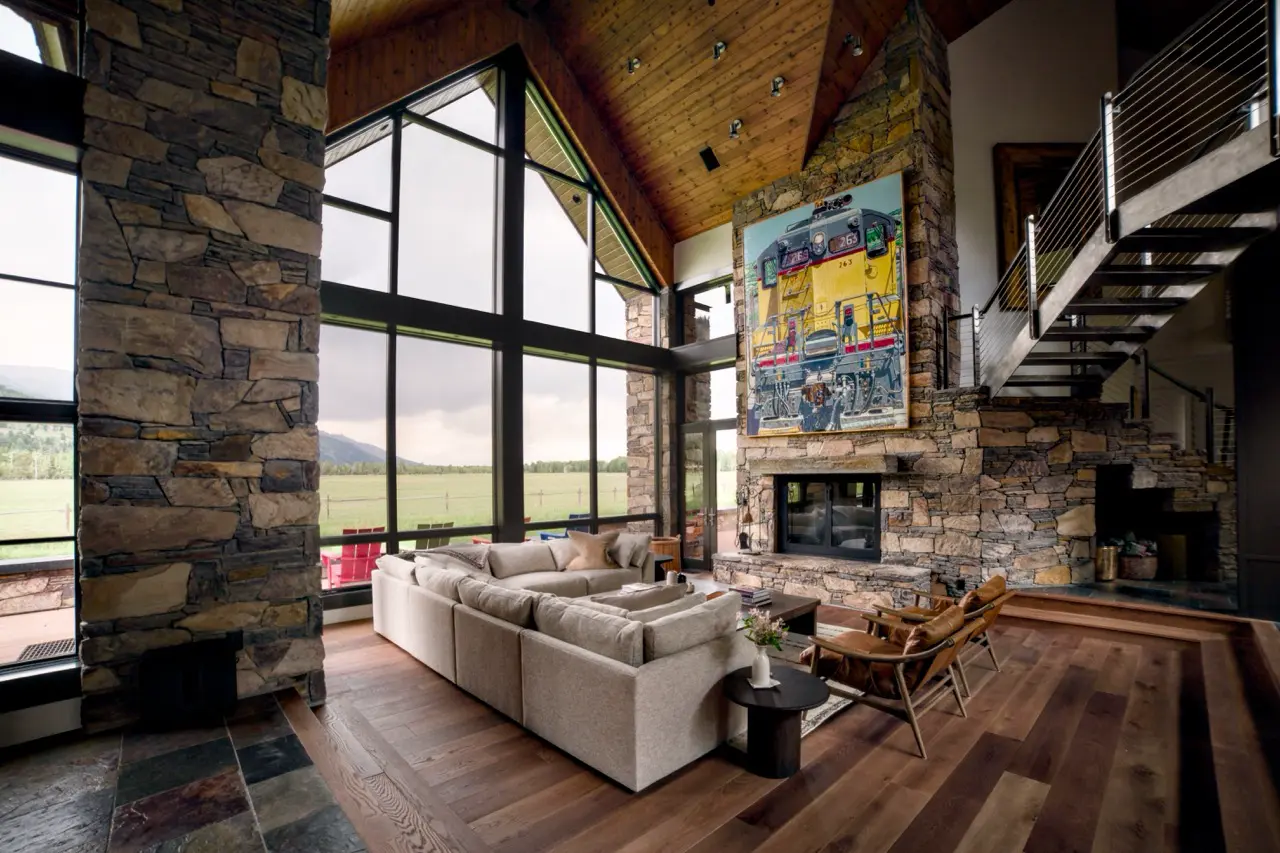
Architectural Photography by Sapien Designs Multimedia Studios In Jackson Hole, architecture rarely exists apart from the landscape. Mountains, open meadows, changing light, stone, timber and glass become part of the same visual language. Inside this remarkable Wyoming residence, that relationship is especially apparent—and the hardwood flooring becomes one of the elements quietly holding the entire composition together. For Timber Hardwood Flooring & Millwork, whose craftsmanship has been featured in Architectural Digest, Sapien Designs Multimedia Studios photographed the home with a particular objective: not simply to document the flooring, but to show what the wood contributes to the experience of the architecture. The result is a collection of photographs in which material, light and place become inseparable. A Floor That Grounds Monumental Architecture The great room is dramatic in scale. Soaring timber ceilings rise above massive stone walls. Black structural steel frames walls of glass. A suspended metal staircase crosses the room almost like an architectural sculpture, while an expansive stone fireplace anchors the interior beneath a striking locomotive painting. There is a tremendous amount happening visually. And yet, beneath it all, the hardwood floor creates calm. Its long planks and organic tonal variations stretch across the room, creating a warm horizontal plane beneath the stone, steel and glass. Rather than competing with the architecture, the flooring gives those stronger elements somewhere to belong. That relationship became one of the central ideas behind our photography. In the wider compositions, we intentionally allowed the flooring to enter prominently from the foreground. The eye moves across the wood before reaching the furniture, fireplace and enormous windows beyond. The floor becomes the visual path into the room. Photographing Texture, Not Simply Color Luxury hardwood cannot be understood from color alone. The character is found in the grain. The knots. The subtle transitions from board to board. The way a finish receives daylight differently at various angles. Those qualities become especially visible in the closer photographs. One image moves low across the flooring toward the raised stone level of the home. Here, the variations between the individual planks become much more pronounced. Warm honey tones move into deeper browns and cooler muted sections, revealing a floor that feels intentionally natural rather than mechanically uniform. Another photograph isolates the transition into the steps themselves. Light travels across the wood grain, revealing its texture while the edge of the stair catches a soft highlight. These are the photographs that allow a viewer to understand craftsmanship at a much more intimate scale. You can almost feel the surface of the wood. For a flooring manufacturer or millwork company, this type of photography is important. A wide architectural photograph establishes context, but detail photography provides the material evidence of the product itself. Both are necessary. Letting the Architecture Tell the Story One of the most striking qualities of this home is the relationship between the interior and the Wyoming landscape. In several photographs, the enormous windows nearly disappear. The hardwood floor runs toward a wall of glass, beyond which an open meadow gives way to the mountains surrounding Jackson Hole. The effect is less like looking through a window and more like the landscape has become part of the room. Our photography deliberately preserved that relationship. Rather than allowing the windows to become featureless white rectangles, the images retain the mountains, trees and open land outside while still revealing the furnishings, stonework and flooring inside. That balance is critical in architectural photography. The viewer should understand not only what a room looks like, but also why it feels the way it does. Here, the answer is largely light and space. Warm Wood Against Stone and Steel The material palette throughout the home is particularly compelling because of its contrasts. Stone is rugged and irregular. Steel is dark, precise and architectural. Glass is cool and almost invisible. Against those surfaces, the hardwood introduces warmth and humanity. This can be seen especially well in the photographs surrounding the seating area. The caramel-colored leather lounge chairs echo some of the richer tones within the floor, while the soft neutral sectional allows the wood and stone to carry much of the room's visual character. From another angle, the floor wraps naturally around the stone hearth and meets the raised slate surface beyond. It is a beautiful example of why exceptional flooring should be photographed within the entire design rather than treated as an isolated product. The wood is part of an architectural conversation. A Different Mood in the Dining Space The dining-room photograph reveals another side of the residence. Here the architecture becomes almost symmetrical. A long dining table occupies the foreground, punctuated by small arrangements of flowers. Beyond it, dark furniture and warm upholstery sit beneath a soaring timber ceiling, while the mountains appear through another monumental wall of windows. The photograph has a quieter rhythm than the great room. Yet the same palette continues: natural wood, dark structural framing, expansive glass and the landscape beyond. This continuity is what gives a thoughtfully designed home its sense of permanence. Individual rooms may serve different purposes, but the materials establish a vocabulary that carries throughout the property. Photography as Part of the Luxury Brand For Sapien Designs Multimedia Studios, photographing work at this level is about much more than recording a finished project. Luxury architectural photography must communicate scale, material, atmosphere and craftsmanship simultaneously. A close photograph of the flooring shows grain. A wider photograph shows installation. A great architectural photograph shows why the material matters. That distinction is essential for brands serving architects, interior designers, luxury builders and discerning homeowners. These audiences are not simply choosing products from a catalog. They are imagining how a material will participate in an entire environment. Photography helps make that possibility tangible. In this Jackson Hole home, the hardwood flooring does not demand attention from the architecture. It earns it quietly. It warms the stone. It softens the steel. It reflects the changing mountain light. It guides the eye through the interior and creates continuity between some of the home's most dramatic spaces. Our responsibility behind the camera was to make those relationships visible. Because when craftsmanship is exceptional, photography should do more than prove that the work exists. It should allow someone to experience why it is beautiful.